
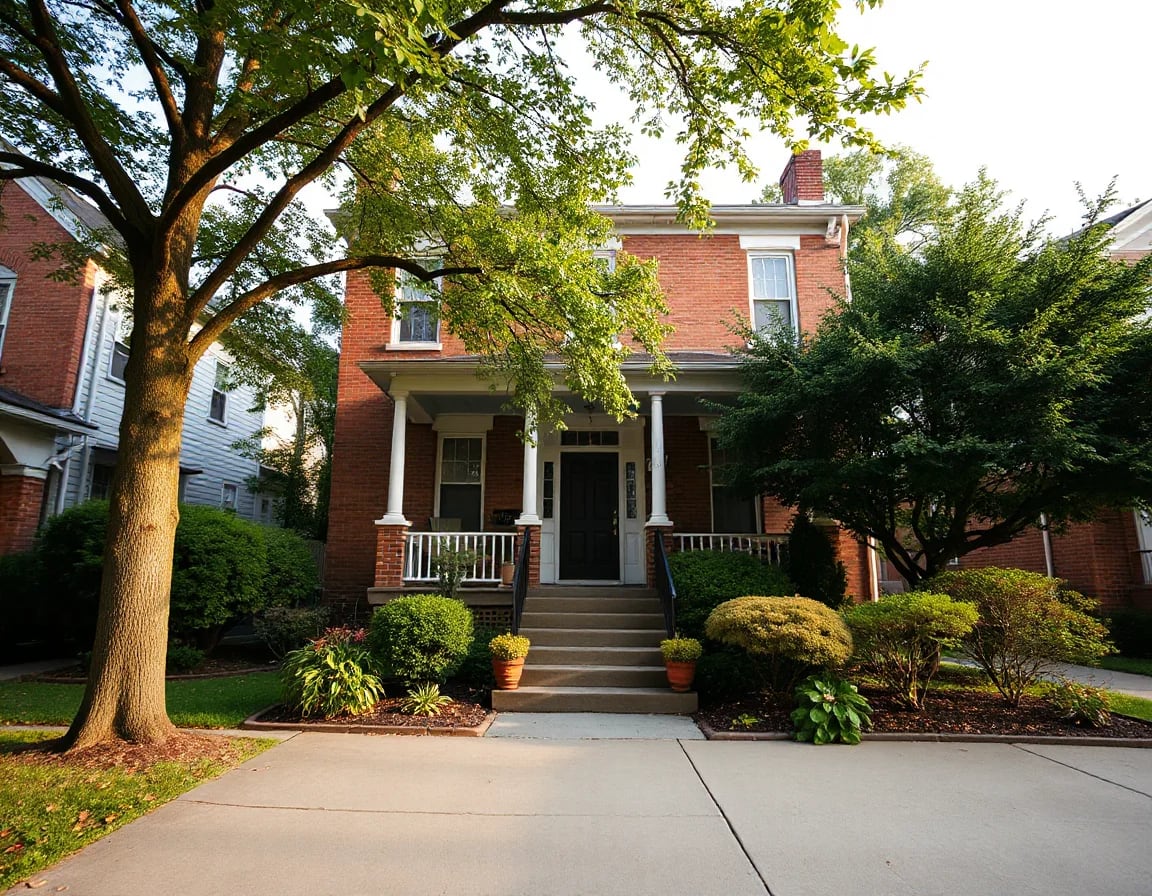
Preparing a Bronx home for sale is less about chasing every renovation trend and more about helping buyers see its condition, layout, and everyday potential with confidence. A focused plan—decluttering, repairing visible details, pricing from current market evidence, and presenting strong photography—can make the selling process feel far more manageable from the first showing through the offer review.
Start With an Honest Walk-Through
Before ordering a sign, take one slow walk through the property as if you were seeing it for the first time. Bring a notepad and look beyond the features you have become accustomed to: a sticking closet door, a worn caulk line, a loose cabinet pull, a scuffed baseboard, or a dim hallway bulb. None of these items may be major on its own, but together they influence the first impression a buyer forms while touring the home.
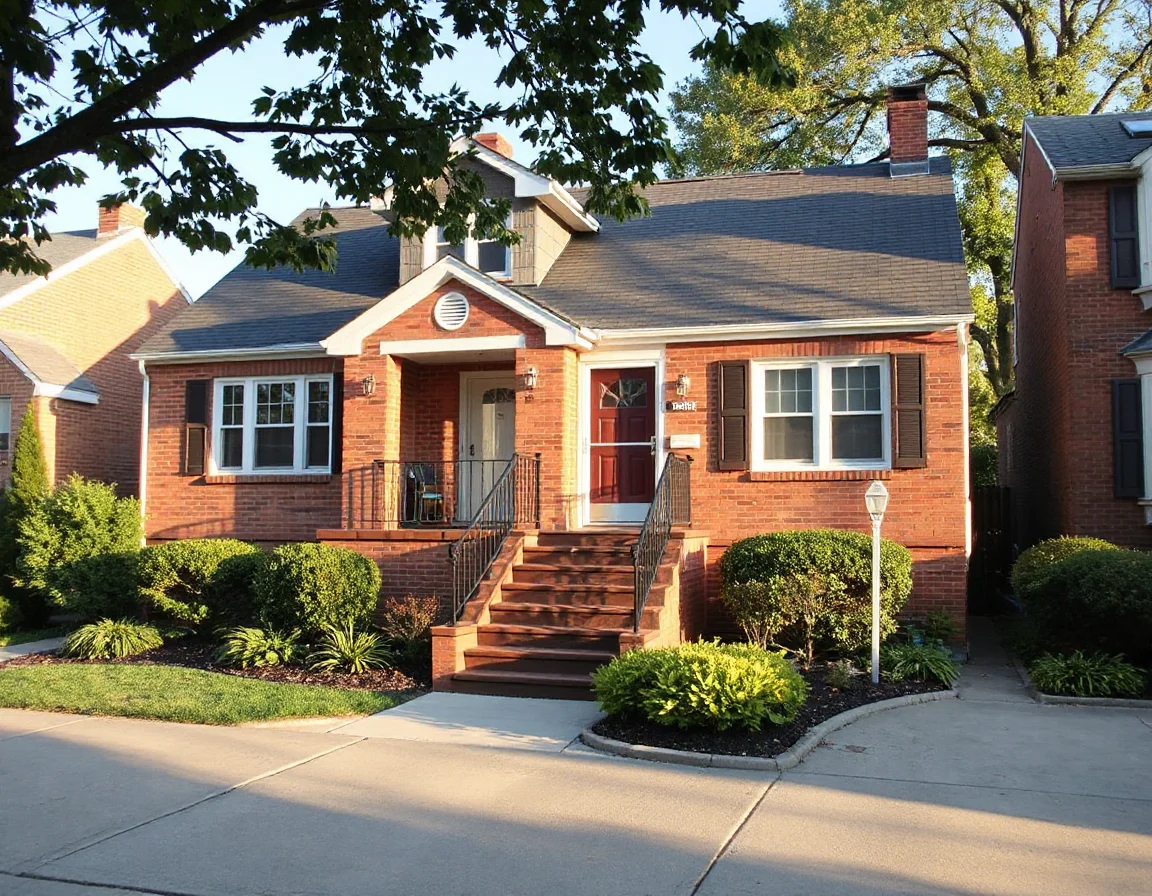
For Bronx properties, that first impression often begins well before the front door. Walk the sidewalk and entry path, check the condition of railings and exterior lighting, clear leaves or debris, and make sure house numbers are easy to find. If the property has a porch, stoop, driveway, garden area, balcony, or shared entrance, treat it as part of the presentation rather than an afterthought. Clean, cared-for exterior spaces help communicate that the home has been maintained.
Inside, focus first on repairs that are visible and straightforward. Touch up paint where needed, replace mismatched light bulbs, tighten hardware, and address small leaks or persistent drips. Buyers understand that every property has a maintenance history, especially in an urban market with a wide mix of co-ops, condos, townhomes, and detached homes. What they want is clarity: a home that feels attended to rather than one that leaves them guessing about avoidable details.
A pre-listing walk-through works best when every room has one clear purpose, enough open floor area to read the layout, and lighting that makes the space easy to evaluate.
It can also be useful to make a short list with three columns: complete before photography, complete before the first showing, and disclose or discuss with your real estate professional. This prevents a long project list from becoming overwhelming. The goal is not to make the home look unlike itself; it is to present its best, most accurate version.
Create Space Buyers Can Read Quickly
During a showing, buyers are processing room sizes, storage, natural light, flow, and condition all at once. Clutter makes that work harder. Removing excess furniture, clearing countertops, and simplifying shelves can make a compact room feel more functional without changing a single wall. In the Bronx, where buyers may compare several different housing styles in one day, a clean visual presentation helps each home’s particular layout stand out.
Begin with the places that carry the most visual weight: the entry, living area, kitchen, primary bedroom, and bathroom. Clear kitchen counters except for a few intentional items, store personal papers and medications, and create breathing room in closets where possible. A closet does not need to be empty, but it should be organized enough to show its capacity. The same principle applies to storage rooms, basement areas, laundry spaces, and utility corners.
Personal photographs, distinctive collections, and highly specific décor can be packed early. This is practical moving preparation, but it also allows visitors to focus on the property itself. Neutral does not mean blank or impersonal. A neatly made bed, a textured throw, fresh towels, a small plant, and a well-lit reading chair can make a room feel finished while keeping attention on the home’s features.
For occupied homes, establish a simple showing routine in advance. A basket or storage bin can hold mail, chargers, pet supplies, and other daily items just before a tour. Open blinds where appropriate, turn on lamps in darker rooms, and make sure pathways are clear. These small habits reduce last-minute stress when a showing is scheduled.
Invest Where Presentation Has the Most Impact
Not every improvement will return the same value, and not every seller needs a major renovation before listing. A careful strategy usually starts with condition, cleanliness, and broad appeal rather than costly customization. Fresh paint in a restrained color palette, updated caulk and grout, repaired fixtures, and professional cleaning can have a visible effect across many property types.
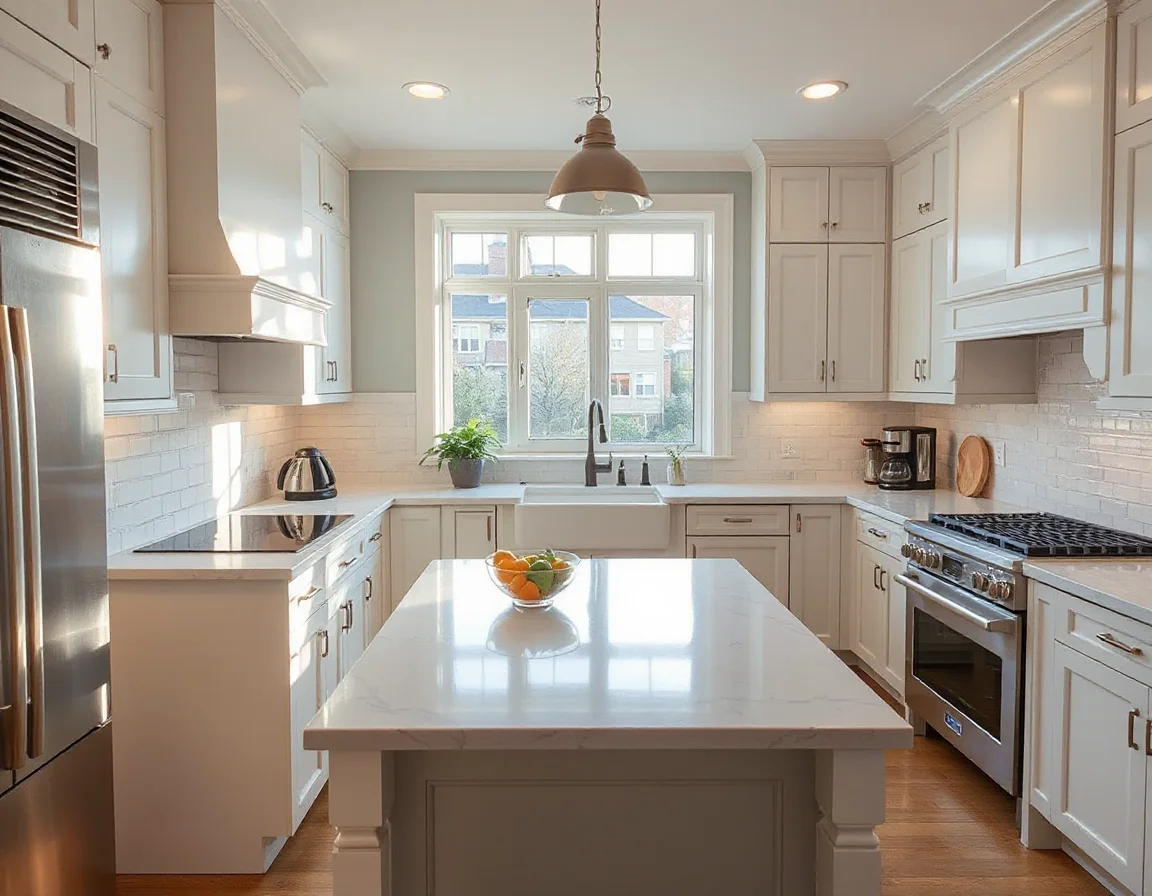
Kitchens and bathrooms merit special attention because buyers tend to examine them closely. Deep-clean appliances, polish fixtures, remove aging countertop items, and replace visibly worn towels or bath mats before photography. If a larger update is under consideration, evaluate it in the context of the current competition, the property’s price range, and the time available before going live. Sometimes a full renovation is appropriate; often, a targeted refresh is the more practical move.
Do not overlook systems and documentation. If you have records for recent work, appliance manuals, warranties, permits, building information, or maintenance history, gather them in one place. Co-op and condominium sellers may also want to review board requirements, financial documents, move-out procedures, and application timelines early. Preparation is not only visual; organized information can support a smoother transaction after an interested buyer appears.
Professional photography should come after the cleaning, repairs, and staging decisions are complete. Strong photos set expectations and encourage serious buyers to schedule a visit. Prioritize daytime appointments when the home receives its best light, and make sure every room is camera-ready before the photographer arrives. A polished listing should accurately represent the home, not conceal condition issues that will become apparent later.
Price From Today’s Market, Not Yesterday’s Memories
Pricing is one of the most consequential decisions in a sale. It is understandable to remember what a nearby property sold for, what you invested in improvements, or what a home might have commanded in another market cycle. Yet buyers and appraisers will respond to current comparable sales, active competition, location, condition, monthly costs where applicable, and the property’s specific features.
A thoughtful pricing conversation should distinguish between closed sales, pending transactions, and active listings. Closed sales show where the market has already landed. Pending homes can hint at current demand, though final terms may not be public yet. Active listings reveal the choices buyers can see right now. Reviewing all three helps shape a price strategy grounded in evidence rather than a single headline number.
The first days on market are a valuable opportunity to attract attention from buyers who are actively watching new Bronx listings, so preparation and pricing should work together before launch day.
Be candid about the property’s strengths and tradeoffs. Convenient transit access, outdoor space, parking, building amenities, renovated rooms, storage, views, or flexible room layouts can all influence buyer interest. So can monthly maintenance, taxes, condition, floor level, or building policies. Accurate positioning gives buyers the information they need to evaluate the home fairly and helps avoid surprises once inspections, financing, or board review begins.
Plan for Showings and the Next Steps
Once the listing is live, consistency matters. Keep surfaces clear, maintain the showing routine, and respond promptly to scheduling requests through your real estate professional. If possible, make reasonable access available for qualified buyers. A home that is easy to show has more opportunities to be compared, remembered, and considered.
Offer review is about more than the purchase price. Financing terms, contingencies, proposed closing dates, down payment details, and property-specific requirements can all affect the strength of an offer. A broker with deep New York market experience can help sellers weigh those moving pieces and understand how they connect to the path from accepted offer to closing.
Preparing a Bronx home for sale is ultimately a sequence of clear, manageable decisions: repair what is visible, simplify what is crowded, document what is important, and present the property with care. By putting in that work before the first buyer walks through the door, sellers can enter the market with a stronger listing and a more confident plan.