

A Bronx address is only the beginning of the value conversation. From transit access and building condition to nearby green space and the pace of public investment, small block-level details can influence how a home performs over time. Use these six clues to look beyond the listing photos and evaluate a property with a longer horizon in mind.
Start With the Block, Not Just the ZIP Code
The Bronx contains an extraordinary mix of housing styles, from attached brick homes and prewar cooperatives to newer condominium buildings and multifamily properties. That range makes broad neighborhood labels useful for orientation, but not sufficient for a serious home-value assessment. Two homes only a few blocks apart can offer different streetscapes, transit options, building conditions, and ownership costs.

Clue one is the immediate setting. Take time to observe the condition and rhythm of the block itself. Look at building upkeep, street trees, sidewalks, lighting, curb cuts, traffic patterns, and how the homes relate to one another. These are not cosmetic footnotes; they shape daily use, buyer impressions, and the practical ease of owning or renting the property.
Visit at more than one time of day if possible. Morning activity can reveal commute flow and loading patterns, while an evening visit can show parking turnover, lighting, and noise from nearby corridors. The goal is not to make assumptions about an area or its residents. It is to gather objective information about the property’s surroundings and how they may affect routine living and future market appeal.
A listing can describe an entire neighborhood, but buyers experience the walk from the station, the approach to the entrance, and the exact block in front of the home.
Clue two is access. In New York City, proximity to subway stations, bus routes, major roadways, and pedestrian connections often matters because it broadens the range of destinations available without a car. Measure actual walking routes rather than relying only on a map pin. A direct, comfortable route can feel very different from a route divided by steep grades, large intersections, or limited crossings.
Access also includes everyday destinations: grocery options, libraries, recreation centers, medical offices, parks, and public services. Their value is partly practical and partly durable. Amenities that are easy to reach tend to remain relevant through changing market cycles, even when buyer preferences and mortgage rates shift.
Read the Building as Carefully as the Location
Clue three is the home’s physical condition and maintenance story. A handsome exterior or renovated kitchen should invite further questions, not end them. Long-term value depends on the systems and components that are harder to photograph: roof age, masonry condition, drainage, windows, electrical capacity, heating and cooling equipment, plumbing, and common-area maintenance in attached or multifamily buildings.
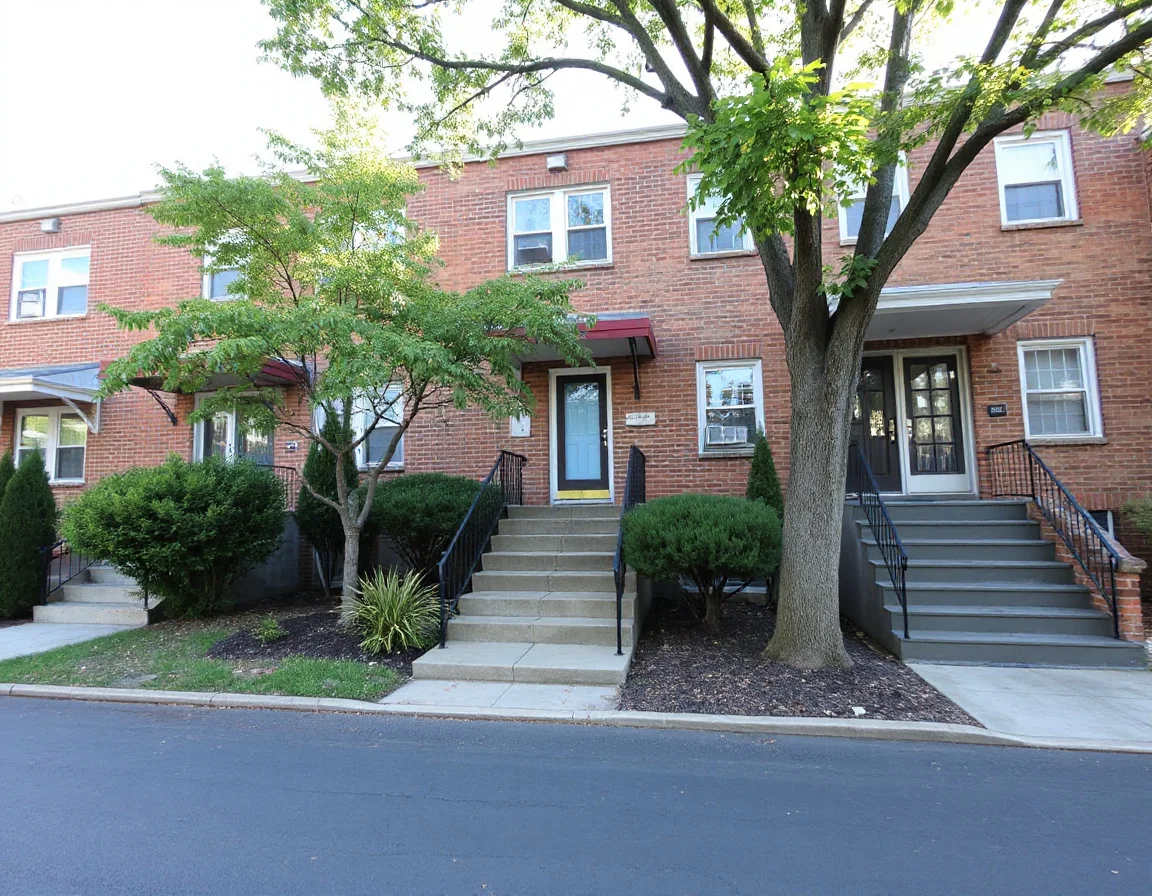
For a co-op or condominium, review the building’s financial picture with equal care. Monthly charges, reserve funds, planned capital projects, insurance costs, governing documents, and assessment history all contribute to the true cost of ownership. For a house, consider the likely timeline for larger repairs and the local cost of maintaining the structure. A lower purchase price can lose its advantage quickly if deferred work is extensive.
Clue four is layout flexibility. Marketability often improves when a home can support more than one practical way of living. Useful storage, clear room proportions, workable kitchen circulation, outdoor space where applicable, and adaptable rooms can all help a property remain appealing as buyer needs change. This does not mean every home must be renovated into the same style. Original features, thoughtful updates, and a coherent floor plan can be just as compelling.
Pay attention to the details that affect daily function: natural light at different hours, closet placement, laundry arrangements, entry flow, and whether bedrooms and living areas have logical separation. In multifamily properties, evaluate the condition and legal configuration of each unit with qualified professionals. The strongest decisions are grounded in verified information, not assumptions based on appearance alone.
A well-documented repair history can be more valuable than a recent cosmetic update with no clear record of the work behind the walls.
Track the Amenities That Hold Up Over Time
Clue five is the quality and durability of nearby public space. The Bronx offers major natural and recreational assets, including waterfront areas, parkland, trails, ball fields, and community recreation facilities. A home near a useful outdoor amenity may offer another layer of everyday value, especially when the route there is straightforward and the space is maintained for regular use.
Green space is not simply a line item for a listing description. Consider what the amenity actually offers: walking paths, seating, athletic facilities, waterfront views, shade, seasonal programming, or connections to other destinations. A nearby park can contribute to a home’s setting, but its usefulness should be assessed with the same care as any other location feature. Visit it, note its hours and access points, and observe the surrounding streets.
Clue six is the pattern of investment around the property. Look for objective signals such as infrastructure improvements, new transit-related work, building renovations, adaptive reuse, public-space upgrades, and permits for nearby projects. These signals do not guarantee future appreciation, and no one can predict a market outcome with certainty. They can, however, provide context for how a block is changing and what may affect future supply, convenience, or construction activity.
It is equally important to understand the tradeoffs. A new project can bring updated streetscape elements or additional services, while construction may create temporary noise, detours, or changes in views. Ask for information about project timelines, zoning, planned development, and permits when available. A measured review is far more useful than reacting to a single headline or a speculative promise.
Put the Six Clues Into One Decision Framework
The most effective home search separates what is permanent from what is changeable. Paint colors, appliances, and furnishings can be updated. The block’s connection to transit, the building’s underlying condition, the floor plan, the public realm, and the development context require more careful consideration because they are expensive, slow, or impossible to alter.
Create a simple comparison sheet when touring homes. Rate each property on block condition, transportation access, building maintenance, layout, nearby amenities, and visible investment activity. Add estimated carrying costs and anticipated repairs. This approach helps prevent a dramatic feature in one listing from overshadowing the full ownership picture.
For sellers, the same framework can guide preparation. Clarify the home’s strongest location advantages, gather records for completed maintenance, and present the property honestly. Buyers generally respond well to useful documentation and a clear explanation of upgrades, operating costs, and nearby amenities. Transparency supports better conversations and helps a home stand out for the right reasons.
A Longer View of Bronx Real Estate
Long-term value is rarely created by one feature alone. It is built through the interaction of location, upkeep, usability, and market context. In a borough with such varied architecture, transportation options, and local destinations, taking a block-by-block approach can turn a general search into a more informed real estate decision.
Whether you are considering a cooperative apartment, a condominium, a townhouse, or a multifamily property, slow down long enough to inspect the details that will still matter after the excitement of the first showing fades. A careful review today can help you choose a home with a stronger foundation for the years ahead.